Auction software, white-labelled

Your saleroom.Your bidders.

MegaBid gives an auction house its own live bidding platform and branded apps, so the people bidding on your lots are your customers rather than someone else's traffic.

Live simulcast and timed sales · iOS and Android · Runs alongside the marketplaces you already use

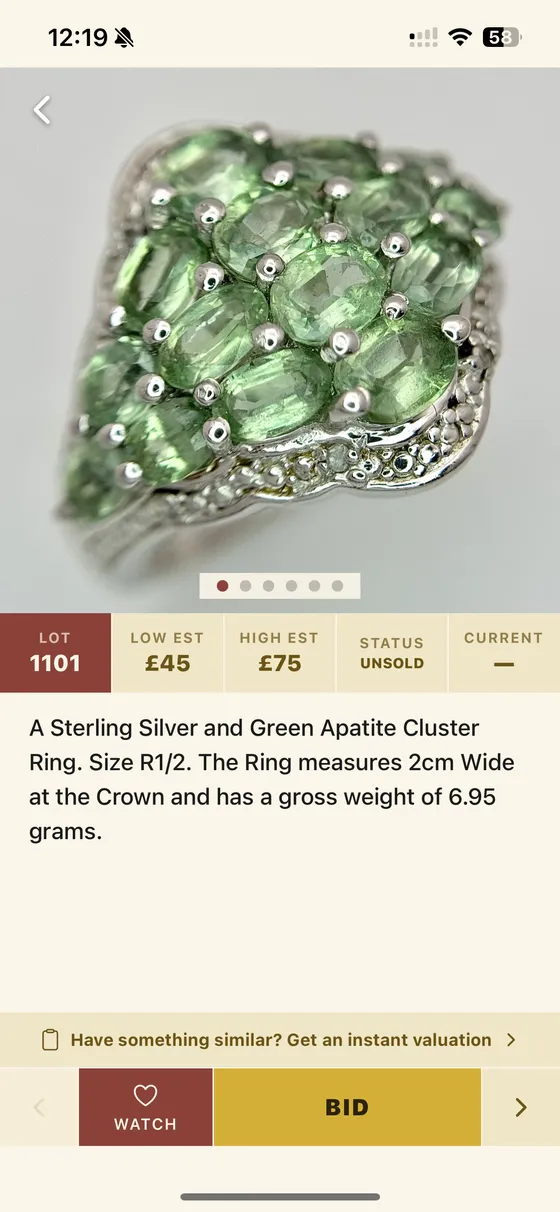
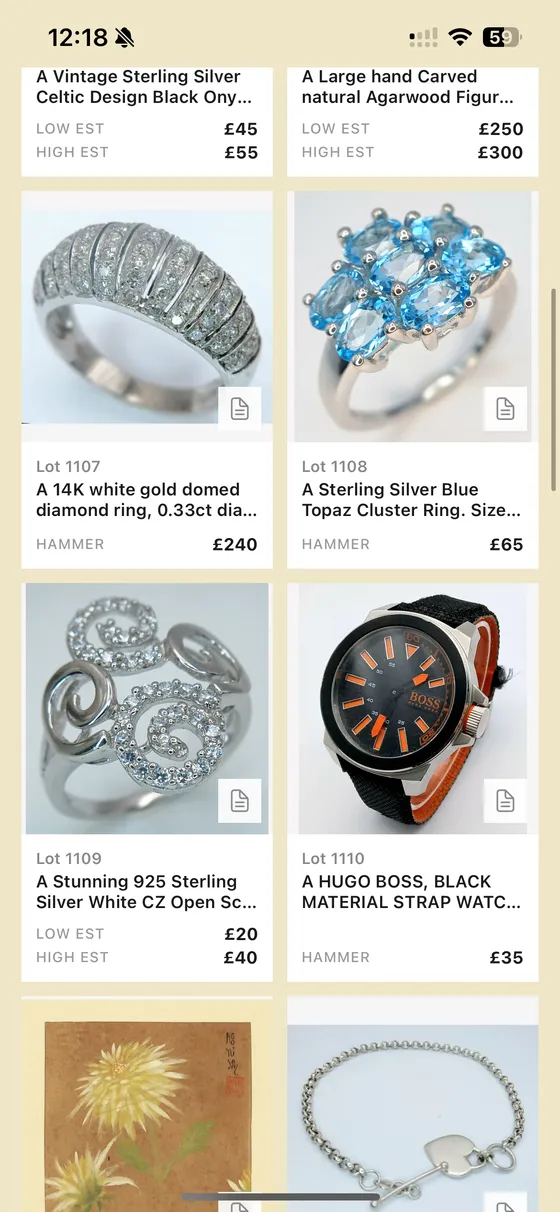
The catalogue in the app, a grid of lots with estimates and hammer prices
Sub-second bid latency Your brand on the app store You own the bidder data Flat platform fee

The problem

Marketplaces rent you an audience you already earned.

Third-party bidding portals put your catalogue in front of buyers, and take a cut of every lot for doing it. The harder part is what you never get back: the bidder's email, their bidding history, and any way to tell them about the next sale.

  • Commission on top of commission. A platform fee on hammer, sale after sale, on lots you sourced and catalogued.
  • Bidders you cannot contact. The relationship belongs to the portal, so your next catalogue reaches their list, not yours.
  • Someone else's brand on the screen at the moment the buyer decides to trust the sale.

"We were paying to reach people who had already bought from us three times."

A frustration we have heard from more than one saleroom, and the reason MegaBid exists.


MegaBid is your own platform, running under your own name. Your lots stand alone rather than beside a competitor’s, your bidders belong to you, and they hear from you alone.

The platform

Everything a sale needs, from cataloguing to settlement.

One system for the saleroom, the office and the bidder, built to work as a single piece rather than four tools bolted together.

Live simulcast bidding

Room, telephone and internet bids on one screen. The auctioneer sees every bid as it lands, and online bidders follow the rostrum with sub-second latency.

Timed and absentee sales

Run timed online sales with staggered closes and anti-sniping. Bidders leave a maximum in advance and the platform bids for them, up to their limit.

Your own iOS and Android apps

Published under your name, with your logo on the home screen. We handle the store submissions, the review process and every update after that.

Clerking console

Built for the person actually clerking a fast sale: one keystroke per bid, instant undo on a misheard paddle, and a running record of who bid what.

Catalogue site and CMS

Lots, photographs, estimates and condition reports in one place, with a photography workflow your team can run from a phone in the warehouse.

Invoicing and settlement

Buyer invoices raised the moment the sale ends, with premium and VAT applied to your rules, plus vendor statements on the other side of the ledger.

Ways to sell

Three ways to run a sale, one system behind them.

Most salerooms use all three across a year, and you can decide as you go.

The room and the internet, bidding together

Your auctioneer works the rostrum as always. Online bidders see and hear the sale as it happens, and their bids land in the clerk's book alongside the room's.

  • Room, telephone, commission and internet bids in one running record
  • Sub-second latency, so an online bidder is never a beat behind
  • One keystroke per bid, with instant undo on a misheard paddle
  • Live audio and video included for every bidder
Clerking console — Day 2, Three-Day General Auction
1042 18ct gold diamond brooch, circa 1900 Live £3,400
1043Gentleman's wristwatch, boxed£1,150
1044Chinese famille rose vase£820
1045George III bureau bookcase£450

Sales that run without an auctioneer

Open a sale for a week, let it close lot by lot, and clear the volume that does not warrant a rostrum. Useful for probate, house clearance and the long tail of a general sale.

  • Staggered closes, so bidders can follow several lots at once
  • Anti-sniping extensions on a late bid
  • Automatic bidding up to each bidder's maximum
  • Runs while your team is doing something more valuable
Antique porcelain vase, typical of lots sold in timed online sales

Your name on the home screen

An app on a regular buyer's phone is worth more than any amount of advertising. Yours goes to both stores under your own auction house, not ours.

  • iOS and Android, your icon, your listing, your brand throughout
  • Push notifications for sale openings, outbids and lots coming up
  • Watchlists and pre-bids, so buyers commit days before the sale
  • We handle submission, review and every update afterwards
Antique diamond brooch photographed for an auction catalogue

Whatever you sell

Catalogued the way your department works.

Estimates, condition reports, hallmarks, provenance and as many photographs as a lot deserves.

Antique diamond broochJewellery
Antique pocket watchWatches
Antique porcelain vaseCeramics
Antique silver tankardSilver
Old master portrait paintingFine art

How it works

Live in weeks, not quarters.

You keep running sales the whole time. Nothing is switched off until you are ready.

Bring your catalogue

We import your existing lots, images and bidder list, from a spreadsheet or straight from the system you use today.

Make it yours

Your colours, logo, terms and premium structure across the site and both apps. Your name is the one bidders see, throughout.

Rehearse a sale

We run a full dress rehearsal with your clerk and auctioneer on real lots, so the first live sale is not the first time anyone has used it.

Go live, with us in the room

Someone from our team is on hand for your first sales. After that you have support on sale days for as long as you need it.

In production

Built in a working saleroom, not a boardroom.

MegaBid runs live, three-day general sales week in and week out: jewellery, watches, militaria, coins, Asian works and general antiques, with room and internet bidders in the same book and the clerk keeping up at forty seconds a lot.

Every feature on this page exists because a saleroom needed it on a sale day, which is a different thing from a feature list written to win a tender.

1,745
lots in a single three-day sale
3 days
run back to back, one catalogue
<1s
from rostrum to bidder's phone
iOS + Android
both stores, own brand

For your bidders

An app they will actually keep on their phone.

The bidder-facing half matters most. If it is awkward, they go back to the marketplace, and the whole exercise is wasted.

Browse the catalogueFull descriptions and photography, ready the moment you publish.
WatchlistsSave a lot and get a nudge before it comes under the hammer.
Pre-bidsLeave a maximum days ahead and let the platform bid to the limit.
Push notificationsSale opening, outbid, lot coming up, won. Each one opt-out.
Live audio and videoFollow the auctioneer from anywhere it suits them.
Invoices in the appWhat they won, what they owe, and how to collect it.
Bid historyEvery sale they have bought in, kept in one account.
One account everywhereSame login on the app and your website.
Accessible by defaultLegible type, big targets, works on an older handset.

Packages

Priced per saleroom.

One flat platform fee, so a strong sale costs the same as a quiet one. Tell us your volumes and we will put a number on it.

Online

For salerooms starting with timed and absentee sales.

  • Timed and absentee bidding
  • Branded catalogue website
  • Catalogue CMS and photography workflow
  • Bidder accounts and watchlists
  • Email support
Talk to us

Own brand

For salerooms that want their name on the app store.

  • Everything in Simulcast
  • iOS and Android apps under your brand
  • Push notifications to your bidders
  • Store submissions and updates handled
  • Data export whenever you ask
  • Named contact for sale days
Talk to us

Book a demo

See it run a real sale.

Half an hour, screen shared, using lots like yours. We will clerk a few through live so you can see what your bidders would see, and what your clerk would be doing.

If it is a poor fit we will tell you plainly, and point you at whatever suits you better.

We reply within one working day, from a person who knows the product.

Questions

The things salerooms ask first.

Do we have to leave the marketplace we use now?

Most salerooms keep theirs at first. MegaBid runs alongside the portals you already list with. Salerooms typically start by moving their regular buyers across, keep the marketplace for reach on the lots that need it, and let the numbers decide the rest.

Who owns the bidder data?

You do. Names, emails, bidding history and invoices are yours, exportable in full whenever you ask, and your buyers hear from you alone. That is the entire point of the exercise.

What happens if something breaks mid-sale?

Someone is reachable on sale days, and the room can always keep selling: the auctioneer's book does not depend on the internet. Bids already placed are recorded, so a bidder who drops off does not lose their position.

Will our apps really be under our own name?

Yes, published to the App Store and Google Play under your auction house, with your icon and your listing. We handle submission, review and updates, which are the parts nobody wants to learn.

How long does it take to get going?

Timed sales can be live quickly. Simulcast takes longer because it deserves a proper rehearsal with your clerk. Own-brand apps depend on store review, which is the one part of the timeline we do not control.

What does it cost?

A flat platform fee rather than a percentage of hammer, so growth does not cost you more. The number depends on how many sales you run and which package fits, which is why we would rather talk than publish a figure that would be wrong for you.